
Lytham Road Pharmacy
Top 10 Travel Safety Tips from Lytham Rd Pharmacy Blackpool
Planning an exciting trip? Whether you’re exploring vibrant cities or relaxing on exotic beaches, keeping safety in mind is essential. From solo adventurers to family groups, everyone benefits from being prepared. These top travel safety tips ensure your journey remains as stress-free as possible. If you’re heading abroad, don’t forget to visit a Travel clinic Blackpool to stay protected with necessary vaccinations and expert advice. Let’s make your travel memorable for all the right reasons.
Health and Wellness Precautions
Travelling is an opportunity for adventure and relaxation, but it’s crucial to ensure you’re in your best health to make the most of it. From vaccinations to staying properly nourished, taking some simple precautions can help you avoid unexpected health hurdles. Let’s go through key measures to keep yourself safe and healthy while on the move.
Research Vaccine and Medicine Requirements
Before stepping on that plane or packing the car, ensure you’re up-to-date with any vaccine requirements for your destination. Many tropical or exotic regions may pose risks for diseases that are uncommon at home. Vaccines such as Yellow Fever, Typhoid, or Hepatitis A might be necessary depending on where you’re going.
Additionally, you might need preventative medicines. If you’re visiting malaria-prone areas, for instance, carry appropriate antimalarial medication. Always check with your local Travel Clinic Blackpool or another licensed travel health specialist to ensure you’re fully protected. This is especially important when heading to remote locations with limited medical facilities.
Stay Hydrated and Carry Snacks
Dehydration can sneak up on you, especially when you’re on long flights, navigating hot climates, or constantly on the go. Carry a reusable water bottle wherever you go, and make it a habit to refill it throughout the day. Staying hydrated not only keeps your energy levels up but also helps your body cope with jet lag, unfamiliar foods, and environmental changes.
Alongside hydration, healthy snacks can be a lifesaver during delays or long commutes. Pack non-perishable and highly nutritious treats, such as nuts, granola bars, dried fruits, or other snacks. Not only do these help with hunger pangs, but they also increase your energy levels, enabling you to enjoy a more active holiday. As a tip, avoid processed or sugary snacks as they can make you feel sluggish and drained.
Pack a First Aid Kit
A well-stocked first aid kit can be a travel game-changer. While you can’t prepare for everything, having basics like bandages, antiseptics, pain relievers, and cold medications can help you handle minor injuries or illnesses. Pack supplies tailored to your destination, such as insect repellents for mosquito-prone zones or rehydration salts for places with extreme heat.
Including any prescription medication you’re on is equally critical, alongside carrying extra doses in case of travel delays. Don’t forget items like tweezers, aloe vera gel for sunburns, and an instant cold pack for minor sprains or strained muscles. It’s better to have these for peace of mind than to find yourself scrambling to get them while abroad. For more practical tips on what to pack, sites like Tips for Healthy, Happy Travels might provide extra insights.
By following these health precautions, you’re setting yourself up for a smoother travel experience. Prioritising wellness ensures you stay focused on enjoying every moment of your trip, without unnecessary interruptions caused by health issues.
Research and Preparation
Preparation is the key to a safe and enjoyable travel experience. Whether it’s understanding local protocols or having the right insurance, putting time into research and preparation equips you to handle challenges. Let’s break down the key aspects of getting yourself ready.
Research Local Laws and Customs
Every region has its own rules and traditions, and what seems normal to you could be offensive or even illegal elsewhere. By taking time to learn the local laws and customs, you can avoid unexpected trouble and ensure smooth interactions with locals. For instance, some countries have strict rules about public behaviour, attire, or even gestures.
It’s not just about staying lawful; respecting customs shows cultural sensitivity and helps you connect better with the people. Dedicated resources like this comprehensive guide to local laws when travelling illuminate specific rules you should know before landing. By doing your homework, you lessen the risk of unintentional missteps that might spoil your trip.
Check Travel Advisories
Travel advisories are essential tools for understanding potential risks in your destination. These advisories, published by governments or trusted organisations, highlight issues such as political unrest, natural disasters, or health-related concerns like disease outbreaks. Visit official government websites to stay informed about up-to-date regional risks.
Safety comes first, so bookmark these advisory pages and monitor them before and during your journey. While general travel guides can be helpful, official advisories often contain detailed warnings specific to the area. It’s better to err on the side of caution – research travel advisories before making critical travel plans.
Purchase Travel Insurance
Travel insurance isn’t just another expense; it’s your safety net while exploring a new destination. Accidents, medical emergencies, or lost luggage can leave you stranded or financially stressed in unfamiliar territory. Comprehensive travel insurance typically covers medical bills, cancellations, evacuations, and theft, giving you peace of mind.
Before purchasing, read the policy carefully to ensure it aligns with the risks you expect to encounter. Don’t hesitate to seek advice from your local travel health expert for recommendations tailored to your destination. A small upfront cost for insurance could save you from major headaches later on.
Prepare Copies of Important Documents
Losing essential documents like passports, visas, or ID can quickly turn your dream holiday into a logistical nightmare. Safeguard yourself by making both physical and digital copies of these documents. Carry the hard copies separately from the originals, and store digital scans in a secure location like an encrypted cloud service.
This simple step can save you from delays and stress if the originals are lost or stolen. Keep an extra copy with a trusted family member or friend who isn’t travelling with you. From visa checkpoints to emergency identification situations, having those backups could be a lifesaver.
By prioritising thorough preparation, you lay the foundation for safe and enjoyable travels. The time you invest in planning now is time saved down the line.
Managing Belongings Safely
When you’re travelling, the excitement of exploring new destinations shouldn’t be overshadowed by concerns about keeping your things safe. By following a few simple practices, you can reduce the risk of theft or loss and keep your belongings secure.
Invest in Anti-Theft Gear
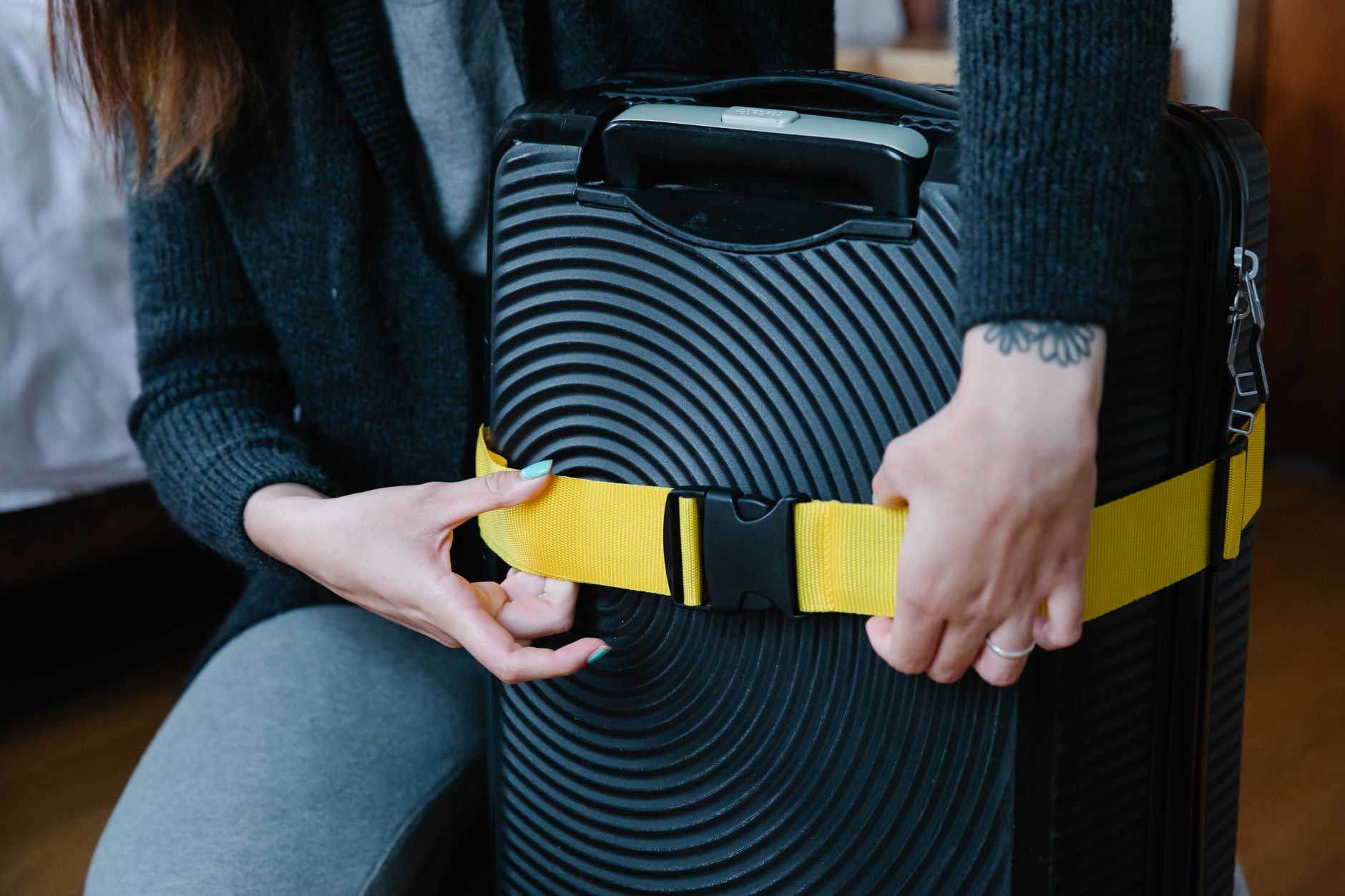
Photo by Timur Weber
Investing in anti-theft gear is like giving your valuables a suit of armour. Products like anti-theft backpacks, money belts, and Bluetooth trackers are specifically designed to keep your possessions safe.
Anti-theft bags, for example, come with slash-resistant fabrics, hidden zippers and RFID-blocking compartments, making it harder for opportunistic thieves to get to your belongings. Bluetooth trackers can be attached to your passport holder or wallet, giving you an easy way to locate them if misplaced.
If you’re worried about pickpockets, consider wearing a money belt under your clothes to hold vital items like cash, passports, and cards. It’s a small investment that brings huge peace of mind when navigating busy markets or public transport.
Limit Carrying Large Sums of Cash
Carrying large sums of cash might seem necessary while abroad, but it significantly increases your risk if you’re pickpocketed or lose your wallet. To stay safer, a good practice is to split your cash into different safe locations rather than keeping it all in one place.
For example:
- Carry some cash in your money belt for ready access.
- Store a backup amount in your hotel room safe.
- Use a small locker bag within your luggage for extra security.
Additionally, take advantage of cashless payment options when you can. Most destinations support debit cards or apps like Google Pay. Keeping physical cash to a minimum while relying on secure payment methods reduces both hassle and risk.
Use Secure Storage Options
Storing valuables safely when you’re not using them is essential. Many hotels provide secure in-room safes where you can lock away items like jewellery, passports, and electronic gadgets. Always double-check the strength of these safes before use; in cases where they don’t seem reliable, consider asking the hotel for centralised safe services.
For those on hostel-based trips or travelling with a group, personal lockers are equally important. Carry a small padlock with you to secure your locker if one isn’t provided. This ensures that even in shared spaces, your belongings are under an extra layer of protection.
Adopting simple measures can dramatically reduce your worries about theft during the trip, leaving more room to enjoy the adventure. Interested in additional tips? Check out resources like Travel Safety Tips – Nationwide for more ideas to help you travel securely.
Staying Safe While Exploring
Exploring new destinations is one of the most rewarding parts of travel, but staying vigilant is crucial to ensuring your trip remains enjoyable and trouble-free. Here are some actionable tips to help you remain safe while immersing yourself in unfamiliar surroundings.
Avoid Isolated Areas
Sticking to well-lit and populated areas is vital, especially at night. Unsuspecting travellers wandering into secluded spots can become easy targets for theft or worse. While exploring during daytime might feel secure, remember that some places transform drastically after dark. If you’re venturing somewhere unfamiliar, try to go with a trusted companion or let someone know where you’re heading.
Activities such as visiting a local market or strolling through city streets after sundown can be fun, but it’s worth being extra cautious. Opt for areas known for being tourist-friendly, and don’t hesitate to leave if you feel uncomfortable. Need advice about safe travel destinations? Check government travel advisories like these travel safety tips for more insights.
Trust Your Instincts
Your gut feeling can often sense danger before your mind catches up. If something feels off—whether it’s a suspicious individual, an unsettling location, or even an overly friendly stranger—don’t hesitate to leave. Your safety is more important than politeness, so don’t worry about hurting anyone’s feelings.
For instance, a seemingly helpful passerby offering unsolicited assistance with your luggage may have ulterior motives. If your instincts tell you it’s not right, thank them politely but take charge of your belongings. Trust in your judgment—it’s one of the best tools in your safety arsenal.
Be Aware of Common Scams
Scammers are always evolving their tactics, targeting tourists who may not know local tricks. Some common scams include distraction techniques like spilling a drink or asking for help to divert your attention while an accomplice pickpockets you. Others involve fraudulent taxi meters or counterfeit goods sold as souvenirs.
Protect yourself by learning about scams specific to your destination. For example:
- Beware of overpriced taxis—agree on a fare before boarding or ensure the meter is used.
- Avoid handing over passports or cash without proper verification.
- Decline offers of unsolicited tours or unlicensed guides.
Online forums and travel blogs, such as 15 simple travel safety tips everyone should know, are great resources to understand and avoid popular scams.
Share Your Travel Itinerary
Keeping someone in the loop about your travel plans can enhance your safety significantly. Share your itinerary with a family member, close friend, or even a trusted colleague. Include details like your accommodation addresses, flight numbers, and key activities planned.
Take it a step further by setting up regular check-ins via messages or emails. A quick “I made it to my hotel safely” text can provide peace of mind to those you’ve entrusted your itinerary with. That way, should anything unexpected happen, someone has the details needed to offer help or notify authorities efficiently.
➤ Pro Tip: Securely save your itinerary and copies of essential documents in a cloud-based service, ensuring you can access them in emergencies.
Staying informed and making proactive safety decisions helps you enjoy your exploration without unnecessary worries. By integrating these habits, you can travel smarter and minimise potential risks.
Digital and Cybersecurity Measures
Maintaining your online safety while travelling is just as essential as protecting yourself physically. From public Wi-Fi networks to device-setting vulnerabilities, travelling can expose you to numerous cybersecurity risks. Below are two straightforward ways to safeguard your digital devices and sensitive information.
Use a VPN for Public Wi-Fi
Public Wi-Fi networks are immensely convenient, allowing you to stay connected at airports, hotels, or cafés. However, they are also a playground for cybercriminals. Unprotected networks make it easy for hackers to intercept your data, leaving sensitive information like passwords and credit card details vulnerable.
A VPN (Virtual Private Network) encrypts your internet connection, meaning your online activities become unreadable to prying eyes. This extra layer of security is especially important for activities like online shopping, logging into bank accounts, or accessing work files while abroad. Activating a VPN is quick and simple, ensuring your interactions online remain secure, even in bustling public spaces.
For a deeper understanding of cybersecurity on the go, check out these cybersecurity tips for international travellers. From keeping your devices secure in airports to general best practices, it’s crucial to stay informed.
Disable Automatic Connections on Devices

Photo by Leeloo The First
Did you know your mobile or laptop may be connecting to unknown networks without your knowledge? Devices often search for previously joined networks, which could lead to automatic connections with fake or malicious ones. Imagine your device unknowingly connecting to a “FreeWiFi_Airport” hotspot that turns out to be a trap for stealing data.
To prevent this:
- Turn off automatic Wi-Fi connection settings. This forces your device to ask for permission before connecting to any network.
- Regularly check and forget networks you don’t recognise in your device’s connection settings.
This small adjustment can save you from falling victim to cyberattacks aimed at travellers. For more insights and actionable advice, you might explore 8 cybersecurity tips to keep you safe when travelling. These tips cover everything from secure connections to protecting personal data effectively.
By incorporating these two measures, you give yourself peace of mind while navigating the digital world on your travels. Online security is no longer optional—it’s an indispensable part of keeping yourself safe.
Conclusion
Proactive planning and a mindful approach can make all the difference in ensuring a safe and enjoyable journey. From safeguarding health to managing belongings and staying aware of local risks, these steps empower you to travel confidently. Always prioritise your well-being and remain alert to potential hazards along the way.
If you’re heading to an exotic destination, visiting Lytham rd pharmacy travel clinic Blackpool will provide you with vital health advice and vaccinations tailored to your trip. Take charge of your safety, and let the world become your playground—secure, memorable, and stress-free. Safe travels!